


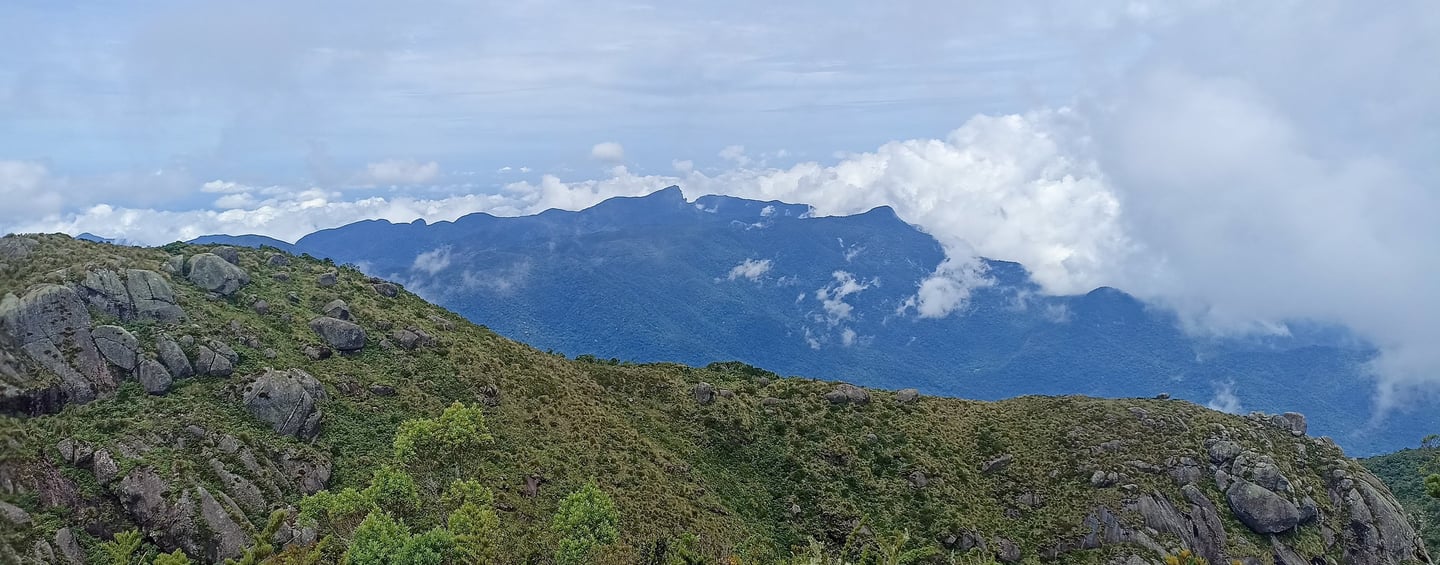
TRÊS PICOS STATE PARK
Três Picos State Park is the largest protected area in the state of Rio de Janeiro and one of its most important strongholds for biodiversity. The park forms a continuous forest corridor with Serra dos Órgãos National Park, together protecting an outstanding portion of the Atlantic Forest.
These two parks are especially significant for bird conservation, as they are home to one of the rarest bird species in the world, the Gray-winged Cotinga (Lipaugus conditus), which is endemic to the state of Rio de Janeiro. The park holds the highest biodiversity index in the entire state, largely due to its wide altitudinal range, which extends from 100 meters to 2,316 meters at Pico Maior. This variation creates a mosaic of habitats that support a remarkable diversity of bird species.
Recognized internationally as an Important Bird and Biodiversity Area (IBA) by BirdLife International, Três Picos is a priority area for bird conservation. Several key birdwatching sites can be included in our itineraries, such as Vale da Revolta, Jacarandá, Jequitibá, and Pico da Caledônia, each offering unique landscapes and excellent birding opportunities.
Vale da Revolta and Jacarandá Headquarters
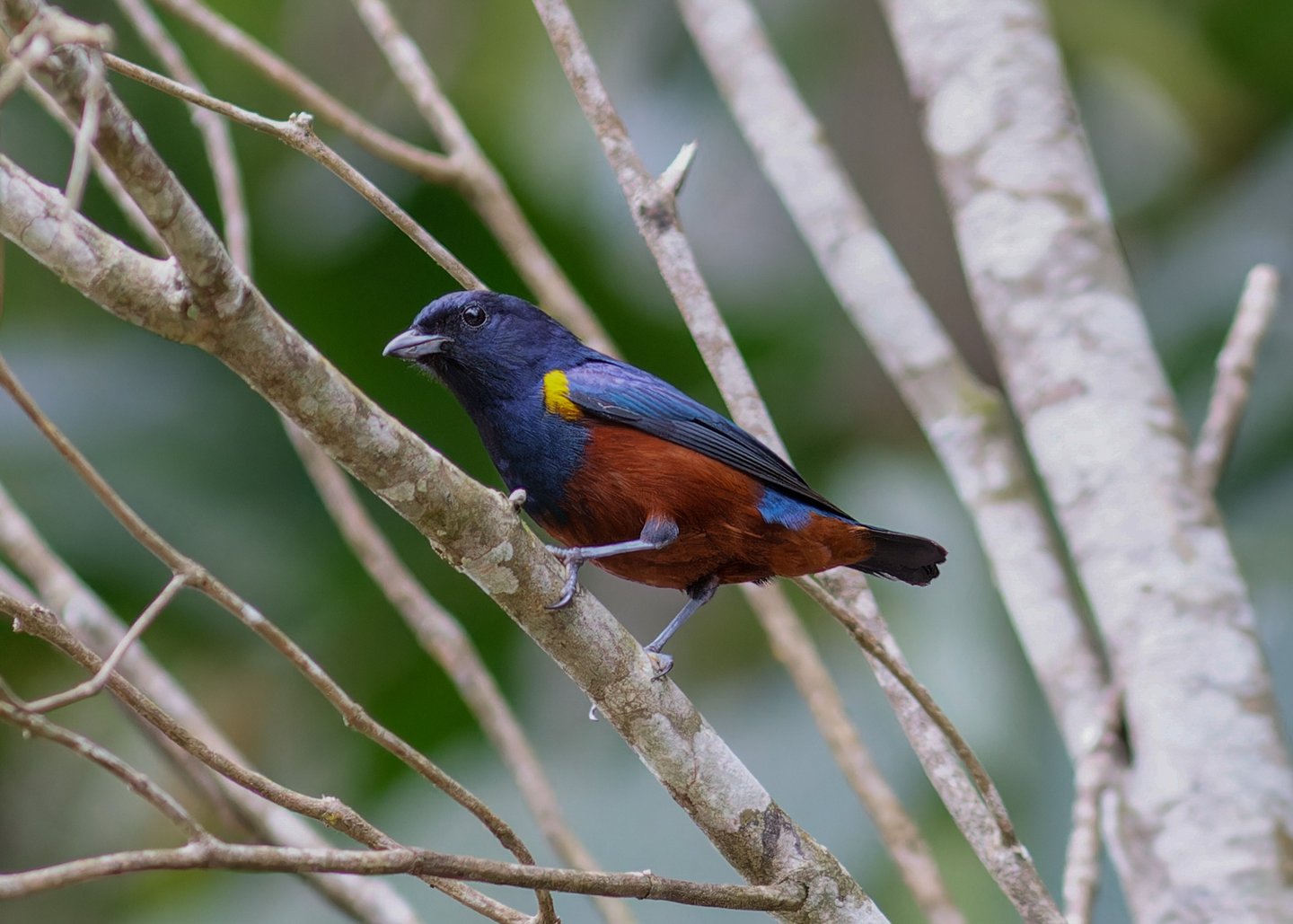
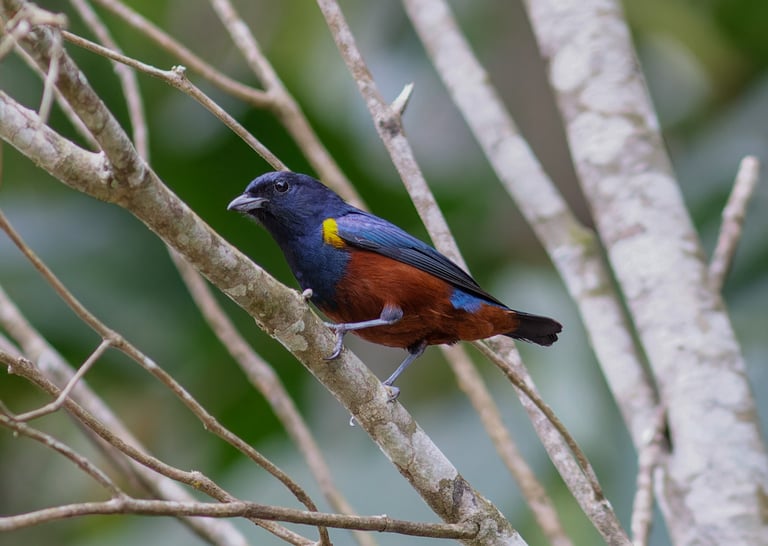
The Vale da Revolta and Jacarandá headquarters (Teresópolis municipality) are located in the transitional zone between the foothills and the higher elevations of the Serra dos Órgãos, within the Montane Atlantic Forest, at altitudes ranging from 900 to 1,300 meters. The area offers easy-to-moderate trails, including paved sections along the forest edge and shaded paths that lead deeper into the woods, providing a comfortable and immersive experience. In addition to encountering the region’s rich biodiversity, visitors are rewarded with breathtaking scenic landscapes, making the visit even more enjoyable.
Relevant species: Spix Spinetail, Brassy-breasted Tanager, Brown Tanager, Black-and-gold Cotinga, Yellow-browed Woodpecker, Gray-capped Tyrannulet, Brazilian Ruby, Rufous Gnateater, White-bibbed Antbird, Greenish Schiffornis, Pallid Spinetail, Orange-eyed Thornbird, Eared Pygmy-Tyrant, Scaly-throated Hermit, Hooded Berryeater, Mantled Hawk, Buff-fronted Foliage-gleaner, Rufous-headed Tanager, White-throated Hummingbird, Pin-tailed Manakin, Surucua Trogon, Black-throated Grosbeak, and Southern Black-Throated Trogon, Crested Oropendola, Channel-billed Toucan, White-bearded Antshrike, Black-tailed Flycatcher, White-collared Foliage-gleaner, Shrike-like Cotinga, Blue-billed Black-Tyrant, Gray-capped Tyrannulet, and Yellow-legged Thrush.
Brazilian Grosbeak Caryothraustes brasiliensis
Pico da Caledônia
Rising over 2,200 meters, Pico da Caledônia is one of the highest peaks in the state of Rio de Janeiro. Located in the municipality of Nova Friburgo, it offers breathtaking views of the surrounding mountain ranges and the city below. The trail is approximately 1.5 km long and features steep ascents and long stairways leading to the summit. Due to its challenging terrain, the hike is considered difficult, combining adventure with remarkable natural beauty and making it a rewarding experience for hikers, nature lovers, and photography enthusiasts.
Relevant species: Gray-winged Cotinga, Swallow-tailed Cotinga, Black-and-gold Cotinga, Serra-do-Mar Tyrannulet, Bay-chested Warbling-Finch, Rufous-tailed Antbird, Diademed Tanager, Yellow-browed Woodpecker, White-rumped Hawk, Green-crowned Plovercrest, Itatiaia Spinetail, Highland Elaenia, Brassy-breasted Tanager, Mouse-colored Tapaculo, Mottle-cheeked Tyrannulet, Shear-tailed Gray Tyrant, Cinnamon Tanager, Gray-capped Tyrannulet, Dusky-tailed Antbird, Hepatic Tanager, Serra do Mar Tyrant-Manakin, Scaly-throated Hermit, Highland Elaenia, Hooded Berryeater, Large-tailed Antshrike and many others.
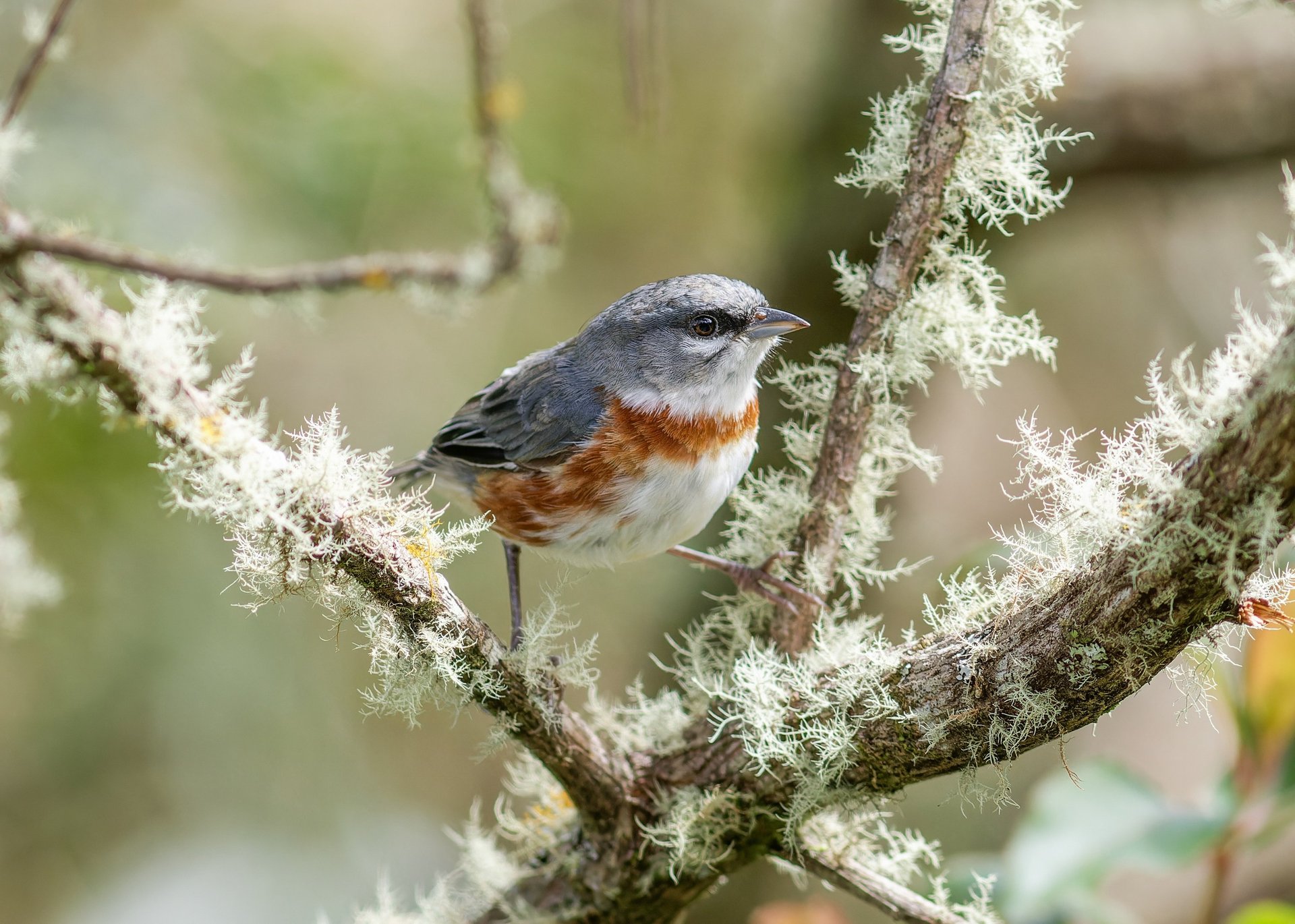
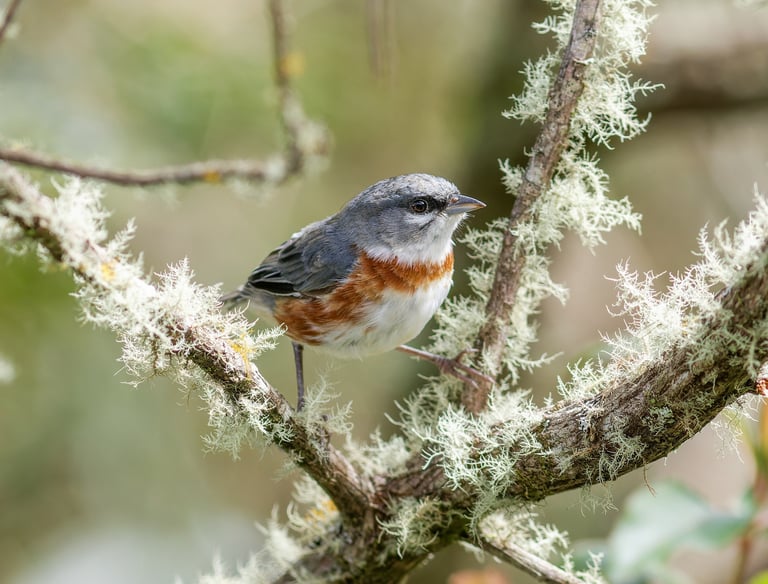
Bay-chested Warbling-Finch Castanozoster thoracicus
Jequitibá Headquarters
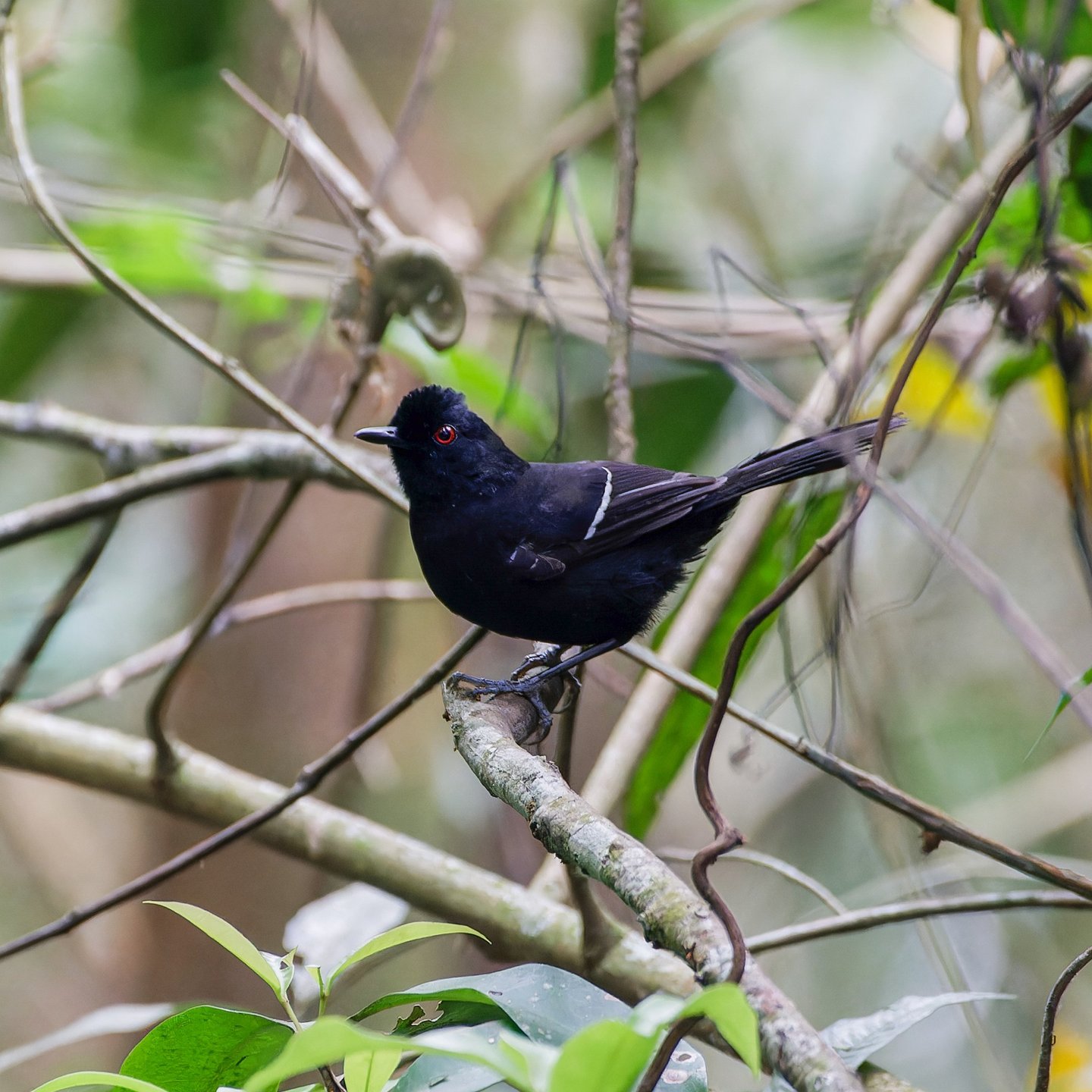
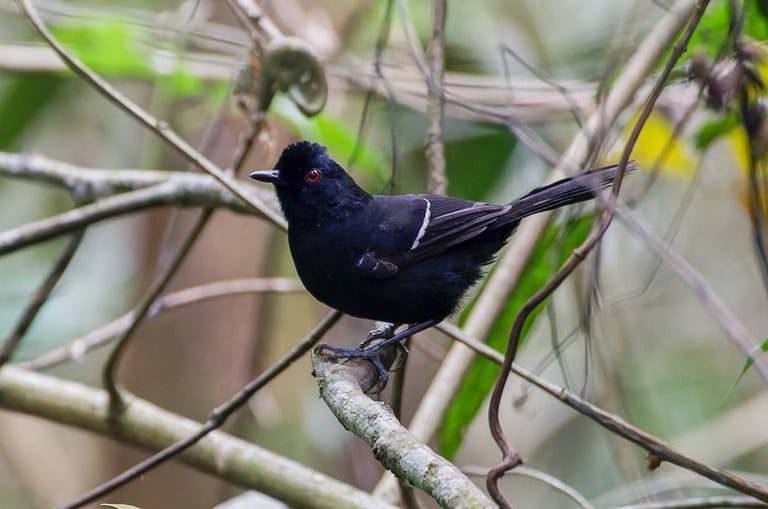
The Jequitibá area, located in the municipality of Cachoeiras de Macacu, is characterized by lush submontane forest and excellent birdwatching opportunities. The site takes its name from a remarkable Jequitibá-rosa (Cariniana legalis), a giant tree rising over 40 meters tall and estimated to be more than 1,000 years old. The trails in this area range from easy to moderate, making it accessible for birdwatchers who want to explore the forest while enjoying a rich and immersive natural environment.
Relevant species: Purple-throated Euphonia, White-shouldered Fire-eye, Rufous-margined Antwren, Lesser Woodcreeper, White-throated Spadebill, White-necked Thrush, Golden-chGray-hooded Flycatcherevroned Tanager, Rufous-capped Motmot, Spot-breasted Antvireo, Rufous-browed Peppershrike, Tropical Parula, Sharp-tailed Streamcreeper, Reddish Hermit, Crested Becard, Yellow-olive Flatbill, Yellow-legged Thrush, Rufous-capped Antthrush, Buff-bellied Puffbird, Flame-crested Tanager.